
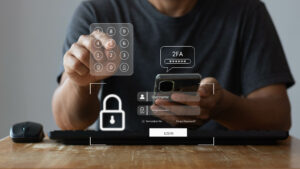
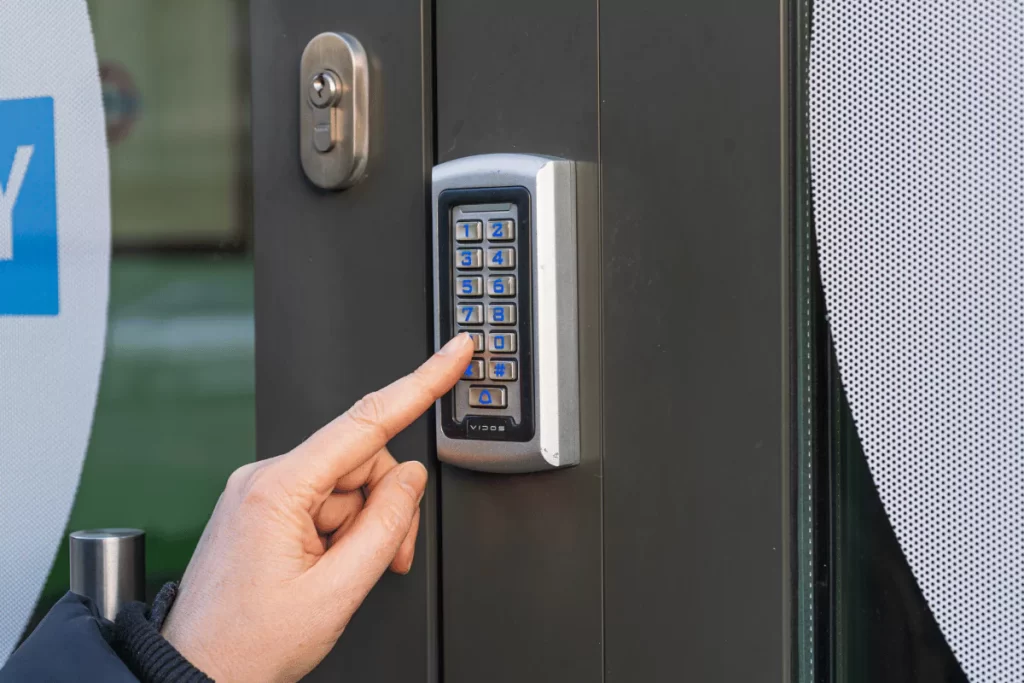
In today’s digital world, protecting your business is no longer optional; it’s a necessity. Cyber threats are evolving rapidly and becoming more sophisticated, and relying on just a password is not enough to keep your systems secure. This is why Multi-factor Authentication, also called MFA, has become such an important part of our cyber-security.
The best way to approach security is from a proactive standpoint, and not a reactive one. Imagine building a house and you only put sliding/swinging doors with no locks, and then go ahead to live in your expensive and beautiful home. Everyone would definitely think you have gone nuts, because you are opening yourself up for thieves and any other kind of attack, from wild animals to humans.
That is exactly how it is when you do not put systems in place to protect you from cyber theft and one of the ways of achieving this is by setting up MFA, a simple yet powerful way to protect your business from unauthorized access and breaches.
Let’s get into what MFA really is and all it entails.
What is Multi-Factor Multi-Factor Authentication (MFA)?
Multi-Factor Authentication (MFA) is a security system that requires users to verify their identity using two or more methods before gaining access to a system, application, or account. Instead of just entering a password, MFA adds extra layers of protection, such as:
- A code sent to your phone
- A fingerprint or facial scan
- A secure authentication app
The idea is simple: even if a hacker gets your password, they still won’t be able to access your account without a second verification step.
Why MFA is So Important for Your Business
1. Passwords Are no Longer Enough: Many people reuse passwords or choose weak ones, and this makes it easy for cybercriminals to gain access through phishing or data leaks. Cybercriminals are aware that most passwords are re-used and that they can easily steal credentials; this is why password-based attacks are one of the very common cyber attacks in the digital world.
If a cybercriminal manages to get your password, MFA acts as a second lock on the door, and makes it significantly harder for them to break in.
2. It helps Stop Common Cyber Attacks: MFA is highly effective against several of the most common attack methods, including:
- Phishing attacks
- Credential stuffing
- Brute-force attacks
These attacks often rely on compromised usernames and passwords, and are some of the most common ways businesses get hacked today.MFA helps stop them before they become a bigger problem.
3. Reduces Downtime and Business Disruption: A security breach doesn’t just put data at risk, it can slow down or completely interrupt your operations. At StonePoint Technology Partners, we’ve seen how preventable security gaps can lead to expensive downtime and unnecessary business disruption. Implementing MFA is a straightforward step that can make a major difference.
4. It Builds Trust with your Clients: Strong security practices don’t just protect your systems, they also protect your reputation. When your clients know their information is being handled securely, it builds trust and confidence in your business. This even gives you a competitive edge over your competitors.
Types of Multi-Factor Authentication
1. Something You Know (Knowledge Factor): This includes information only the user should know, such as:
- Passwords
- PINs
- Security questions
This is the most basic form of authentication, but it’s also the weakest if used on its own.
2. Something You Have (Possession Factor): This includes physical or digital items the user possesses, such as:
- One-time passcodes sent via SMS or email
- Authentication apps like Google Authenticator or Microsoft Authenticator
- Hardware security tokens
- Passkeys
- Biometrics
This is one of the most widely used forms of MFA because it adds strong protection without creating too much friction for the user.
3. Something You Are: This identifies WHO is authenticating, and is typically your:
- Fingerprint scans
- User ID
- Email address/Username
- Facial recognition
- Retina or iris scans
Because personal data is unique to each person, this method offers a very high level of security.There are two important access policies discussed below that are not necessarily MFAs, but are referred to as access policies. While they do not directly verify a user’s identity, they help to strengthen security by acting as conditional checks that determine whether access should be allowed. They are:
a. Location-Based Authentication: This type of authentication looks at where a login attempt is coming from and whether it matches normal user behavior. For example, if someone tries to log in from a different country or an unfamiliar device, the system can flag or block the attempt.
b. Time-Based Authentication: This method adds protection by using time-sensitive controls, such as:
- Verification codes that expire after a short period
- Alerts or restrictions for login attempts outside normal business hours
It’s another smart way to reduce risk and make unauthorized access more difficult.
Choosing the Right MFA Setup
The right MFA solution depends on your business, your industry, and the systems you use every day. For some small businesses, a password plus a mobile authentication app may be enough. Larger organizations, however, may need a more advanced setup that includes biometrics, device verification, and location-based access controls.
That’s why working with the right IT partner matters; it helps you choose the right level of protection without making systems harder to use.
At StonePoint Technology Partners, we focus on preventing problems before they happen. MFA is a key part of that approach, but it works best when it’s part of a broader, well-integrated security strategy.
From cybersecurity to access control, we help businesses build IT environments that work together seamlessly, reducing complexity, closing security gaps, and keeping operations running smoothly.
Cybersecurity doesn’t have to be complicated, but it does need to be intentional. As important as MFA is, there is also a right way of doing it, and we can bring this solution to your business, if you choose to partner with us.
If your business is still relying on passwords alone, now is the time to strengthen your security. Send us an email at Info@stonepointtech.com and let us bring a lasting solution to your cyber insecurity